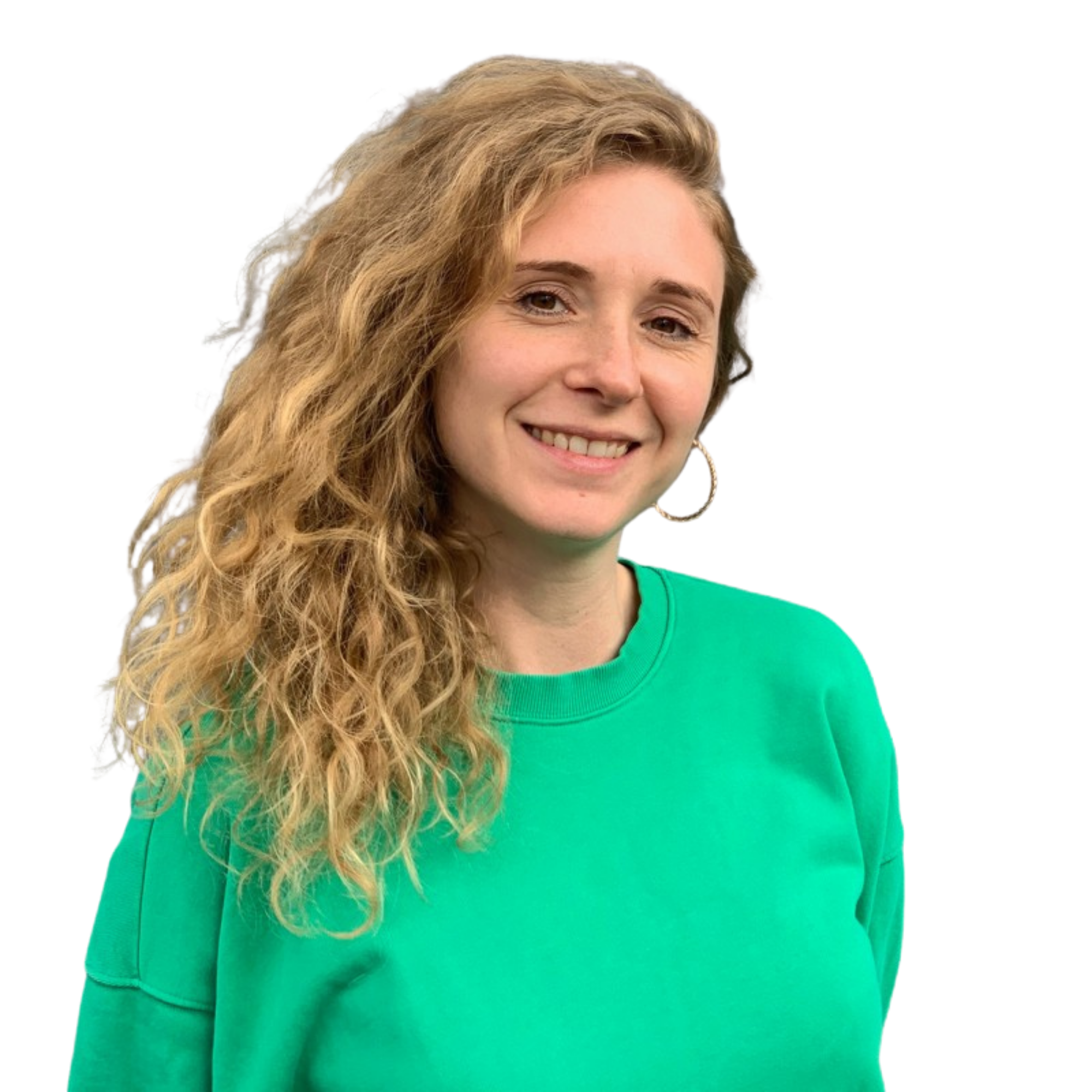
Most people just can't see it — because you're always too close to your own life to spot what makes it interesting. That's what a trained journalist is for. That's what Mirra is for.
The difference between being in the room —
and being the person people remember after it.
My first interview was with Pete Doherty. Completely blagged — unplanned, unprepared, and if I'm honest, in no fit state. I had no pen. No paper. No memory of it in the morning. I had to embellish most of it. He signed the magazine. I kept it framed next to my bed for years.
At 17 I hopped on a tour bus with Kings of Leon and ended up stranded in London with no money. What I did have — then and now — was an instinct for finding the moment that makes a story land. The detail that changes how someone sees you. The thing you almost didn't mention because it felt too normal.
Twenty years and a lot of rooms later, that's still the job. The story is there. You just need someone who knows how to find it.
Age 18. Internship at Dazed & Confused. A published single review. Sent to Brighton to interview a band supporting The Kooks. I had no idea how lucky I was. I just thought this was how things worked when you wanted them badly enough.
The moments that shape us feel unremarkable at the time. That's exactly why you can't see your own story clearly. You're always too close to it.
You've done things worth talking about. But when someone asks what you do, or what makes you different, or why they should choose you — something happens. The words come out wrong. Too much. Too little. Too corporate. Too vague. Nothing like the person you actually are.
It's not a confidence problem. It's a story problem. And nobody's ever sat down with you and actually helped you find it.
Meanwhile, before you've even had a chance to speak, someone has already Googled you. Looked at your LinkedIn. Asked an AI to summarise who you are. If your story isn't clear there, it gets filled in — and it won't be the interesting version.
If you don't define your script, AI will write a generic version for you. Mirra ensures you own the Director's Cut of your own life.
You know you have something to offer — but when it comes to talking about yourself, it never quite comes out right.
Before anyone meets you, they've already looked you up. AI is now part of that process — and if your story isn't clear, it'll fill in the gaps for you.
When your story is right, the right people find you, understand you, and choose you — without you having to sell yourself.
Every package starts with the same foundation — a journalist-led session to find the story that's already there. Choose the level that matches where you want to go.
The foundation. A journalist-led session that finds your story, shapes your narrative, and gives you the words to use anywhere.
Everything in The Script Polish, plus a journalist-led video interview — the definitive piece of content about who you are and what you stand for.
Everything in The Script Polish, plus a bespoke landing page — written and built by Sarah, designed for a world where AI and search form opinions before you've spoken.
Visual assets (photography) to be supplied by you. Web hosting to be arranged and paid for by you.
Get started →Everything. Your story found, your interview filmed, your landing page built. The complete picture — for people ready to show up fully.
Visual assets (photography) to be supplied by you. Web hosting to be arranged and paid for by you.
Get started →
I've spent a lot of my life in rooms I had no business being in.
Age 11. A BBC news desk in Nottingham. I sat down, shuffled the papers, and felt something I'd never felt before. That was the moment I knew.
By 18 I had an internship at Dazed & Confused, a published single review, and had been sent to Brighton to interview a band supporting The Kooks. Around the same time I was at Myspace — their first paid intern — interviewing Justice and Erol Alkan. I had absolutely no idea how lucky I was. I had no idea how many people would have given anything for any of it. I just thought this was how things worked when you wanted them badly enough.
A year earlier I'd walked into Rock City in Nottingham on the NME tour. Paul Thompson started drumming. Franz Ferdinand played the opening bars of Shopping for Blood. Something shifted. I was always at the same parties as Simon from Klaxons — he was at Nottingham uni, I was at college, our crowds overlapped. Found him so cool I could never quite manage to talk to him — then he told me one evening he was moving to London to start a band. I listened to Silent Alarm on a Discman in Bloc Party's hotel room before it was released. None of it felt remarkable at the time.
My first interview was with Pete Doherty. Completely blagged — unplanned, unprepared, and if I'm honest, in no fit state. I had no pen. No paper. No memory of it in the morning. I had to embellish most of it. He signed the magazine. I kept it framed next to my bed for years until I lost it in a house move — which I'm still not entirely over.
At 17 I hopped on a tour bus with Kings of Leon and ended up in London with no money. Called my mum. She wired me enough to get the train home. A friend once told me I had the organisational skills of a small Ethiopian gnat. She wasn't wrong.
Along the way I've had lunch with members of Blur, given one of them a tour of Melbourne, and somehow ended up in a lot of situations I had absolutely no business being in.
Twenty years later I'm interviewing Tim Minchin at Soho House under a disco ball, co-hosting a music podcast called Demo Tapes that hit the Apple Music Top 10, and having somehow, against considerable odds, learned how to actually do this properly.
Somewhere along the way, corporate life got louder than the stories. And I stopped seeing my own. That's the thing about your story — you're always the last one to see it. You're too close. It feels normal. You don't notice the moments that would make someone else lean in. Mirra is how I help you find them.
Book a Scene-Setting Call →How attention becomes authority — in business, in culture, in real life. Each episode breaks down what it actually takes to build the kind of credibility that makes people trust you, choose you, and talk about you.
Watch on YouTube →A music podcast co-hosted with NME journalist Rick Martin. Conversations about the records, moments and decisions that shaped careers. Hit the Apple Music Top 10.
Listen on Spotify →Book a call. No pitch, no pressure — just a conversation about where you are and what you're trying to say.
Book a Scene-Setting Call →